
How to Deposit Money Using Paystack in Nigeria
Learn how to deposit money on Paystack in Nigeria confidently 💼. Set up your account, link banks, and make deposits via card, bank transfer, or USSD securely ₦.
Edited By
Michael Foster
Withdrawing funds to Paystack is a straightforward process, but it requires understanding the basics to avoid errors or delays. Paystack serves as a trusted payment gateway for many Nigerian businesses and individual users seeking seamless payment management.
First, ensure you have an active Paystack account linked to your Nigerian bank account. Paystack supports withdrawals only to bank accounts registered on Nigerian banks, so any attempt to use non-Nigerian accounts will be rejected immediately.

You must also have completed the required KYC (Know Your Customer) verification on Paystack. This process includes submitting valid identification documents such as your National Identification Number (NIN), a valid government-issued ID (passport, driver's licence, or voter’s card), and possibly business verification documents if you operate a business page. Without this, withdrawals may be limited or blocked.
Paystack withdrawals operate on business days only, typically processed within 24 to 48 hours after a withdrawal request. Weekends and public holidays, common in Nigeria, can delay processing times. For example, if you initiate a withdrawal on Friday afternoon, you may not receive funds until Monday or Tuesday, depending on the bank’s clearing schedules.
Withdrawal limits also apply based on your account tier. Newly verified users often have lower limits, like ₦100,000 daily, while businesses with higher verification can withdraw larger sums, sometimes up to ₦10 million daily. It's wise to check your specific limits through your Paystack dashboard to plan accordingly.
Another point to remember is that Paystack charges a minimal fee for withdrawals, usually a fixed percentage or flat fee deducted from your withdrawal amount. Always factor this into your calculations to avoid surprises on the amount credited to your bank.
Always cross-check your bank details before confirming a withdrawal. A small typo can cause your funds to be sent to the wrong account, and recovering such money can be challenging.
In summary, to withdraw funds successfully to Paystack from Nigeria:
Confirm your Paystack account is fully verified with necessary documents.
Link a valid Nigerian bank account correctly.
Be aware of your withdrawal limits and fees.
Plan withdrawals on business days.
Double-check details before submission.
Understanding these basics will help you manage your Paystack withdrawals efficiently, ensuring you access your money without hassle or unnecessary delays.
To successfully manage your funds with Paystack, it's necessary to first grasp what Paystack is and how its withdrawal function fits into the Nigerian digital payment ecosystem. This understanding helps users avoid common pitfalls and ensures smoother transactions, especially given Nigeria's unique banking and fintech challenges.
Paystack is a Nigerian fintech company that has become one of the top platforms for online payment processing in the country. It enables businesses and individuals to collect payments from customers through various methods like card payments, bank transfers, and mobile money. Established to simplify payments in the African market, Paystack bridges the gap between multiple payment channels and businesses by providing a single, easy-to-use interface.
At its core, Paystack offers payment collection and disbursement services. For instance, an online retailer can receive instant payments from customers using debit cards or USSD, which are automatically routed to their vendor wallet on Paystack. From there, the vendor can choose to withdraw the funds to a Nigerian bank account or use the balance to make disbursements such as paying suppliers or employees. This dual service makes Paystack not just a payment gateway but also a tool for business cash flow management.
One key role of Paystack in facilitating business payments is from collection to payout. Businesses rely on Paystack to not only receive payments efficiently but also to withdraw money reliably into their bank accounts. Withdrawing funds from Paystack is crucial because it converts the collected digital payments into usable cash within your bank, enabling daily operations like buying stock or paying staff.
Moreover, businesses and individuals favour Paystack for transactions due to its blend of convenience and security. Many trust Paystack because it integrates well with Nigerian banks and supports multiple payment channels, making it simpler to manage payments in one place. For example, a mama put might use Paystack’s QR code feature to accept cashless payments, then withdraw earnings directly to their bank without visiting a bank branch. This ease, alongside transparency for tracking withdrawals in the dashboard, promotes widespread adoption.
Withdrawals on Paystack are more than moving money; they’re about turning digital earnings into real-world financial power in Nigeria's vibrant business landscape.
Understanding these basics forms the foundation for using Paystack’s withdrawal functions confidently and maximising its benefits for personal or business finances.
Preparing your Paystack account for withdrawals ensures smooth, timely access to your funds and prevents avoidable hiccups. It’s not just about having an account but about setting it up correctly with verified information, linking your bank account properly, and understanding the charges and limits that come with each withdrawal.
Registration and identity verification requirements are critical first steps. When you sign up on Paystack, you’ll need to provide valid personal or business details, including your BVN (Bank Verification Number), to meet Nigeria’s Know Your Customer (KYC) standards. This verification process is necessary to protect your account from fraud and ensures that only you can access your funds. Without proper verification, withdrawal requests may be delayed or rejected, causing unnecessary downtime.
Next is linking your bank account and necessary details. Paystack requires connection to a Nigerian bank account where your money will be sent during withdrawal. You must input accurate bank name, account number, and account name matching your Paystack profile information. For example, linking a GTBank or Zenith Bank account accurately prevents transaction failures. Incorrect details can cause failed withdrawals or funds getting stuck, leading to frustration and possible extra charges.
Nigeria-specific charges applicable include withdrawal fees charged by Paystack and sometimes by partner banks. The fees typically depend on the withdrawal amount. For instance, a ₦100,000 withdrawal might attract a small fixed fee plus a percentage charge. Being aware of these deductions helps you plan withdrawals to avoid surprises.
Paystack also enforces daily, weekly, and monthly withdrawal limits. These limits protect against fraud and misuse. Depending on account verification level, you might be limited to, say, ₦1 million daily withdrawal and ₦10 million monthly. Businesses with larger turnover usually negotiate higher limits upon submitting additional documents. Knowing your limits keeps your business running smoothly without hitting a withdrawal ceiling unexpectedly.
Lastly, how fees affect the total amount received matters. Suppose you withdraw ₦500,000 and Paystack deducts ₦1,500 as fees; you’ll get ₦498,500 in your bank. Over multiple withdrawals, fees can eat significantly into your balance. Strategising withdrawals to minimise the frequency or consolidating amounts can save you money. Always check Paystack’s fee schedule and factor it into your cash flow management.
Ensuring your Paystack account is fully set and understanding limits and fees upfront prevents headaches later, especially for businesses relying on quick access to working capital.
By addressing these aspects before withdrawing, you avoid delays, failed transactions, and unexpected deductions, giving you better control over your money at all times.
Knowing how to withdraw funds to Paystack is essential for Nigerian businesses and individuals relying on this fintech platform for smooth cash flows. This guide simplifies the process, ensuring you avoid common pitfalls and complete transactions without stress. Being familiar with each stage from logging in to confirming withdrawal helps you manage funds efficiently and keeps your business transactions seamless.
To start any withdrawal, you must first log in to your Paystack merchant account using your registered email and password. This step is crucial because it verifies your identity and secures access to your funds. If you enable two-factor authentication, you'll need to provide the generated code to complete the login.
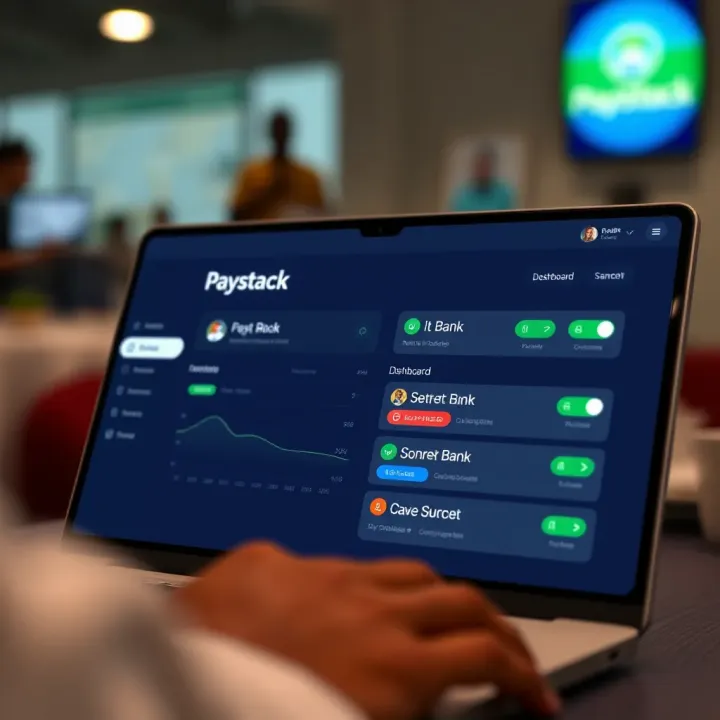
Once logged in, you have access to your dashboard, which displays your transaction history, available balance, and withdrawal options. Make sure your internet connection is stable—many people forget this, leading to failed attempts or delays during the withdrawal process.
On your dashboard, look for the menu option labelled ‘Payouts’ or ‘Withdrawals.’ This section is where you request to move funds from your Paystack wallet to your linked bank account. Navigation is straightforward but pay attention to locating the correct tab. Some users confuse ‘Payments’ (for receiving funds) with ‘Payouts' (for sending funds).
Clicking into the payout page presents you with available balance details and withdrawal history. If you manage multiple business accounts, ensure you select the right account before continuing. This step prevents accidental withdrawals from the wrong balance, which can create accounting headaches.
When initiating withdrawal, you’ll specify how much money you want to transfer. Paystack allows withdrawals in Nigerian Naira (₦), which is standard for local transactions. It's important to double-check that your amount respects your daily or monthly withdrawal limits to avoid rejection.
For example, if your daily limit is ₦500,000, requesting ₦700,000 in one go might cause the system to block the transaction. Plan withdrawals accordingly, especially during busy periods such as ember months or festive seasons when cash flow management matters.
Next, select the bank account you want the funds sent to. Your Paystack wallet can be linked to multiple bank accounts, but only verified ones should be available for withdrawal. Confirm you have the right account selected, especially if you operate several businesses or savings accounts.
Incorrect bank choice can delay payment or send funds to unintended recipients. It’s a good habit to reconfirm bank details regularly in your Paystack profile to prevent errors, particularly if you recently changed your account or bank.
Before confirming the withdrawal, carefully review all transaction details: the amount, account selected, date, and any fees displayed. This final check helps catch mistakes that might cause delays or failed withdrawals.
For instance, a d account number or withdrawal amount can lead to processing failures or longer resolution times. Taking a moment to verify prevents extra steps or calls to customer support, saving time.
After submitting your withdrawal request, Paystack usually processes payouts within 24 to 48 hours, depending on bank processing times. Nigerian banks can impose delays during public holidays or weekends, so it’s wise to plan withdrawals ahead.
If you perform withdrawal during a weekend or ember months, expect longer clearing times. Tracking features on Paystack let you monitor the status to know when funds arrive. This transparency is beneficial for business owners managing payroll or vendor payments.
Always initiate withdrawals well before your payment deadlines to avoid last-minute delays caused by bank processing or internet glitches.
Mastering this step-by-step approach ensures your funds move securely and promptly, giving you full control over your Paystack cash flow.
Encountering problems during fund withdrawal on Paystack can disrupt your business cash flow and cause unnecessary stress. This section helps you quickly identify common issues, understand their causes, and apply practical solutions to keep your transactions smooth and reliable. Whether it’s a delay in payment processing or a rejected withdrawal request, knowing how to troubleshoot these issues is essential for every Paystack user.
Delays in withdrawal processing often happen due to external factors like public holidays or weekends when banks do not operate. For example, during Nigerian public holidays such as Independence Day or Christmas, bank systems may be offline, causing withdrawals to take longer than usual. Verification delays are another cause; if your account changes require fresh validation, Paystack may hold funds for security checks.
Staying updated on your withdrawal status can reduce anxiety about your funds. Paystack dashboard offers a clear way to track your withdrawal requests. Simply log into your merchant account, go to the payout section, and check the status indicated as "pending", "processing", or "completed." This visibility helps you know when to expect your money and if any action is needed.
Withdrawals fail primarily due to issues like insufficient funds, unsettled disputes, or discrepancies between your Paystack wallet and linked bank account. For instance, if your withdrawal amount exceeds your available balance or your account has pending chargebacks, Paystack will reject the request.
If your withdrawal does not go through, first review any error notifications from Paystack. Confirm your balance and resolve disputes promptly. Contact Paystack support if you cannot identify the problem. Keeping transaction records helps you explain your case quickly and get your funds released without unnecessary delay.
Incorrect bank details are a frequent cause of failed withdrawals. Even a single digit error in your account number or wrong bank name can lead to funds being returned or lost in transit. This situation often causes longer resolution times and can hurt your business cash flow, especially if you rely on quick payments.
To maintain accuracy, always double-check your bank details during account setup and before each withdrawal. Update your Paystack profile immediately if your bank changes. Keep official documents like your bank statement handy for reference. Regularly logging into your bank app or portal helps you confirm details are current. These steps prevent common mistakes and ensure your money reaches you without a hitch.
Errors and delays in withdrawals can cost you time and trust. Being proactive and vigilant greatly reduces these risks and keeps your business running smoothly.
Managing withdrawals on Paystack requires discipline and attention to security and record-keeping. Nigerian users — whether business owners, digital bettors, or finance officers — stand to benefit greatly by adopting best practices. These safeguard funds, ensure smooth transactions, and provide clarity for accounting and cash flow management.
Using strong passwords and two-factor authentication is essential for protecting your Paystack account. Creating a password that mixes letters, numbers, and symbols — at least eight characters long — helps reduce the risk of unauthorised access. Paystack offers two-factor authentication (2FA), which you should activate immediately. 2FA adds a second layer of security by requiring a unique code sent to your phone or email whenever you log in, even if someone knows your password.
Without these measures, Nigerian users risk falling victim to hackers or fraudsters who might try to withdraw funds illegally. In cases where passwords are weak or 2FA is disabled, accounts become vulnerable — especially given online scams targeting fintech platforms these days. For example, a business that ignored 2FA could lose ₦100,000 in a single unauthorized transfer.
Recognising and avoiding phishing attempts is another vital security habit. Fraudsters often send fake emails or SMS messages pretending to be Paystack or your bank, asking for login details or verification codes. Nigerian users should be alert to suspicious messages with poor grammar, urgent demands, or links to unofficial websites. Always verify directly by logging into your Paystack dashboard, not by clicking links sent via email or social media.
Phishing scams have become common as the volume of online transactions grows. Avoid sharing OTPs or verification calls with anyone. Paystack and banks never request such details through messages. Being cautious helps protect not only individual accounts but also the integrity of your business transactions.
Tracking withdrawals for business accounting is crucial for accurate financial management. Keeping a close eye on each withdrawal provides clarity on cash flow and supports timely budgeting. Nigerian businesses that combine Paystack data with their accounting software can better measure income sources and expenditure patterns. For instance, a retailer using Paystack could reconcile daily sales and withdrawals against inventory purchases to spot irregularities early.
Moreover, monitoring withdrawals helps with tax compliance. The Federal Inland Revenue Service (FIRS) may require evidence of transactions during audits. Having a well-organised record reduces headaches and bolsters your credibility with tax authorities.
Using Paystack reports to manage cash flow effectively maximises your platform's benefits. Paystack generates detailed transaction statements showing withdrawal dates, amounts, fees deducted, and bank accounts credited. Reviewing these reports regularly helps Nigerian users forecast when cash will be available for payroll, supplier payments, or reinvestment.
For example, a small business owner can use monthly Paystack reports to plan fuel purchases for delivery vehicles or decide the best time to top up airtime for staff communication. These reports remove guesswork and prevent surprises in bank balances.
Keeping your Paystack account secure and well-monitored is not just best practice but a smart business move. It keeps your funds safe and your finances transparent, allowing Nigerian users to focus on growth rather than firefighting.
By following these best practices, you establish a solid foundation for managing your Paystack withdrawals efficiently and safely.
Learn how to deposit money on Paystack in Nigeria confidently 💼. Set up your account, link banks, and make deposits via card, bank transfer, or USSD securely ₦.
Learn how to quickly withdraw your winnings from Bangbet via Paga in Nigeria 🇳🇬. Get step-by-step tips to avoid common issues and safely move your ₦ to your bank. 💸

Learn how to easily withdraw your winnings from BangBet app in Nigeria 💰. Follow clear steps, avoid common pitfalls, and enjoy hassle-free cashout in ₦.
Learn how to deposit on BangBet easily 🎯 with step-by-step tips, local payment options like bank transfer & USSD, plus advice for smooth, safe bets 🎲.
Based on 7 reviews