

BangBet Minimum Deposit in Nigeria Explained
Learn everything about BangBet minimum deposit in Nigeria 🇳🇬. Find out how to fund your account, available payment methods, bonus tips, and betting smartly with ₦ support.
Edited By
Samuel Adeniyi
Paystack has become a go-to payment gateway for businesses and individuals in Nigeria who want to move money quickly and securely online. Whether you run an e-commerce store, take payments for digital services, or just want a reliable platform for transactions, knowing how to deposit money using Paystack is essential.
Depositing funds on Paystack isn’t complicated, but it requires understanding the options available and how to set up your account properly. First, you need to create a Paystack account and link it to your bank details. This ensures your transactions flow smoothly between your bank and the Paystack platform.
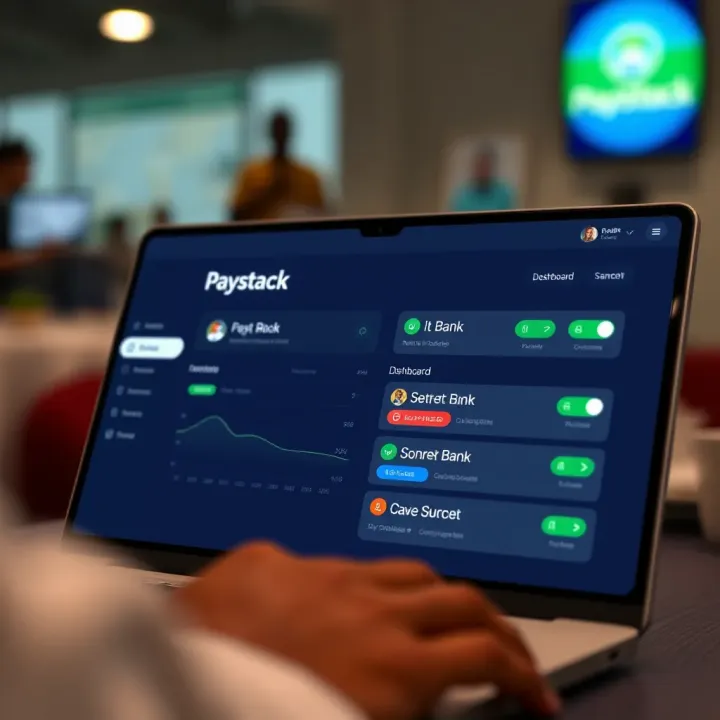
Once your account is ready, you can fund it through several methods:
Bank transfer: Initiate a transfer from your bank app or USSD directly to your Paystack-linked account. This method is great for larger sums since bank transfers usually face lower or zero fees.
Card payments: Using your debit or credit card, you can deposit money instantly. This option is widely used for speed but may attract a small processing fee.
USSD payments: If you prefer not to use internet banking, USSD transfers provide a simple alternative. Dial the code provided by Paystack and follow on-screen prompts to fund your account.
Remember, always confirm that your bank details on Paystack are accurate before making deposits to avoid delays or failed transactions.
Understanding these options helps businesses and individuals alike to manage payments better. For example, a small business owner accepting payments for online orders needs quick access to funds. Using card payments or bank transfers to deposit into Paystack enables swift order processing and delivery.
As you continue, you will learn how to navigate Paystack’s security measures, troubleshoot common deposit issues, and use the platform efficiently for your financial activities in Nigeria.
This straightforward guide ensures you handle deposits with confidence and minimise risk while making the most of Paystack’s payment ecosystem.
Setting up your Paystack account properly is the first step towards smooth and secure money deposits. Without an active and verified account, you cannot process payments or receive funds safely. This setup ensures your transactions are compliant with Nigerian financial regulations, helping you avoid delays or blocks that can disrupt business or personal transactions.
Creating an account on Paystack is straightforward but requires careful attention. Start by signing up on Paystack’s official portal with your email address and phone number. This account acts like your digital wallet hub that links your business or personal bank accounts to the payment ecosystem, enabling you to receive deposits from customers or friends.
Verification requirements for Nigerian users include submitting valid identification documents and business information where applicable. Paystack works closely with Nigerian regulatory bodies to ensure all users meet Know Your Customer (KYC) standards. For instance, they may require a government-issued photo ID such as a driver’s licence or international passport to activate your account for higher transaction limits.
Linking your BVN (Bank Verification Number) and NIN (National Identification Number) for compliance is a legal requirement enforced to curb fraud and money laundering. Integrating these numbers not only speeds up account verification but also aligns your Paystack account with the Central Bank of Nigeria (CBN) regulations. This step strengthens your account security and facilitates larger fund deposits without unnecessary hold-ups.
Providing bank details to Paystack dashboard involves entering your bank account number, bank name, and account type in your Paystack settings. This is necessary because Paystack transfers settled funds directly into this bank account. For example, if you operate a business and want daily settlements, this bank account will be the destination of your earnings.
Confirming bank account ownership is crucial to prevent payment fraud. Paystack usually sends a small test deposit (under ₦100) to your bank account. You’ll need to verify the exact amount credited to confirm your ownership. This step ensures that funds are not mistakenly sent to a wrong or inactive account.
Understanding settlement timelines helps you plan your cash flow better. Typically, Paystack settles funds into your bank account within 24 to 48 hours after a successful deposit. Certain factors like weekends, bank holidays, or transaction volume might affect these timelines. Knowing this prevents surprises, especially when managing payroll or supplier payments.
Ensure your Paystack account and bank details are correctly set up before accepting deposits to avoid payment failures or delays. This groundwork saves you from hassle down the line and builds trust with those sending you money.
Setting up your Paystack account the right way lets you tap into Nigeria’s fast-growing digital payment space seamlessly. Whether you’re a business owner or handling funds for a group, following these steps guarantees your deposits process smoothly every time.
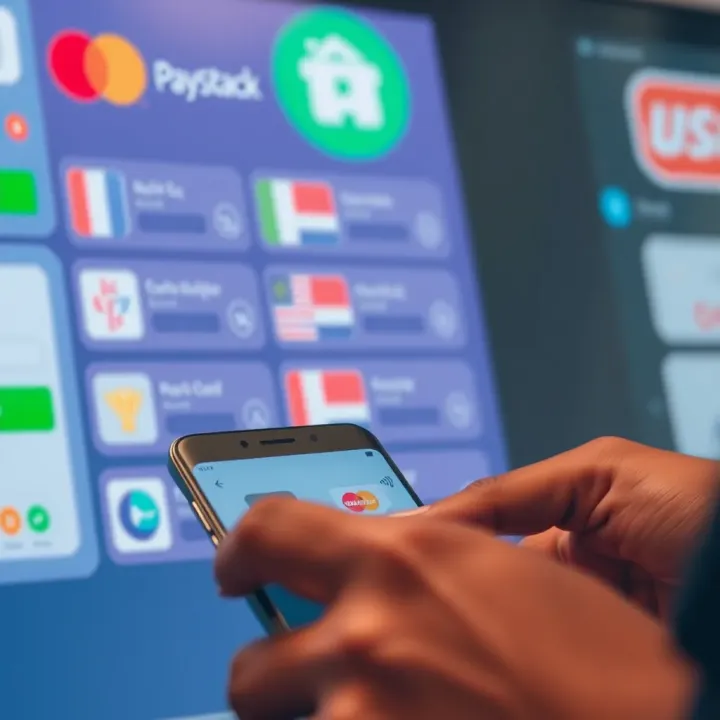
Paystack offers multiple convenient ways to deposit money, making it flexible for both businesses and individuals in Nigeria. Choosing the right deposit method depends on your preference, bank support, and security needs. Understanding these methods helps you use Paystack effectively for smooth, quick transactions.
Generating deposit invoices is a practical feature on Paystack that enables you to create exact payment requests. Businesses can generate these invoices in the Paystack dashboard and send them to customers or partners. This ensures that payers know the exact amount to transfer, avoiding confusion or underpayment. For example, a retailer can generate an invoice for ₦50,000 and send it directly via email or WhatsApp to the buyer, who then makes payment through their bank’s app or USSD.
When providing payers with bank details, Paystack simplifies the process by displaying precise account information tied to your Paystack account. This typically includes the bank name, account number, and account name. Sharing these details clearly helps payers make the transfer without delay or error, especially when customers are paying from different banks. Providing up-to-date, accurate details also reduces failed or misplaced payments.
After payment, confirming payment receipts is crucial. Paystack automatically tracks incoming transfers linked to the generated invoices and updates the status in your dashboard. You can verify that ₦150,000 transferred from a customer has hit your Paystack wallet before approving goods delivery or service fulfilment. This confirmation helps minimise disputes and allows faster reconciliation of accounts.
How card payments work on Paystack is straightforward. When you want to deposit money, cardholders enter their debit or credit card information on a secure Paystack payment page. Paystack processes the payment in real-time and then credits your account. This method is popular because it is quick and convenient, especially for instant settlement without needing bank transfers that take hours or days.
Security features like OTP and CVV are built into Paystack card payments to protect both the cardholder and the receiving party. Cardholders must enter the Card Verification Value (CVV) found on the back of their card and a One-Time Password (OTP) sent to their phone. This reduces fraud by confirming the rightful owner authorised the transaction. It’s particularly helpful in Nigeria, where online scams are a concern.
Regarding charges and fee structure, Paystack charges a small percentage per successful card transaction, typically about 1.5% + ₦100 for local cards. These fees cover processing costs and fraud protection. Knowing these fees upfront helps merchants price their products correctly to maintain profit margins. Card deposits are convenient but slightly more expensive than bank transfers.
Supported banks and network providers for USSD payments include major Nigerian banks such as GTBank, Access Bank, Zenith Bank, and telecom operators like MTN, Glo, Airtel, and 9mobile. USSD is widely used because it requires only a basic mobile phone without internet access, making it accessible across Nigeria’s urban and rural areas.
To initiate USSD payment on mobile, you dial a specific code provided by Paystack during checkout or deposit instructions, such as 38942# or *322#. Once dialled, a menu appears prompting for the amount and confirmation. This method is quick and simple, ideal when data connections are weak or unreliable.
The verification and confirmation process after USSD payment is usually instant. After the transaction, Paystack receives payment notification from the bank or telco, updating the payment status immediately. You get confirmation on your mobile and within your Paystack dashboard. This helps you avoid delays and sharpens your ability to track deposits securely.
Each of these methods has its place depending on your needs. Bank transfers suit those handling large payments, cards offer instant access, and USSD shines where internet services are spotty but mobile phones abound. Choose the method aligning best with your business model and customer preferences to maximise success with Paystack deposits.
Making deposits through Paystack should be smooth and safe. Getting this right means avoiding avoidable errors and protecting your account from threats. These tips help you save time, prevent losses, and build confidence whether you’re an individual or a business handling payments.
Double-checking payment details is a simple but crucial step. Before confirming any deposit, verify the recipient’s account number, the amount to be paid, and any invoice reference included. Even a small typo, like swapping two digits in a bank account number, can send your money to the wrong place. For example, if you are paying a vendor and enter ₦50,000 instead of ₦5,000 or the wrong account number, reversing the transaction will be difficult and time-consuming.
In regions with poor network coverage, delays or duplicate submissions sometimes occur. Double-checking helps avoid paying twice or triggering failed transactions. When you use Paystack invoices, cross-check the details provided against your source documents like receipts or payment requests.
Using verified bank accounts is another essential safeguard. Paystack encourages linking accounts with confirmed ownership to reduce fraud risks. Avoid sending deposits to unverified or unknown bank accounts, especially during business payments or online transactions. If you receive a request for payment, confirm the bank details through trusted channels before proceeding.
For businesses, linking your BVN and NIN during setup helps Paystack validate your identity and accounts, improving overall security. For customers making deposits, always ensure the recipient bank account is official and confirmed to be correct.
Recognising legitimate Paystack payment pages is vital to avoid scams. Paystack payment pages usually have a secure URL starting with "https" and often display Paystack branding alongside the merchant’s details. Be cautious if you land on a page that looks unofficial or requests unusual information, such as passwords or PINs.
Scammers sometimes create fake payment pages mimicking Paystack to steal card details. Always confirm web addresses before entering sensitive data and avoid clicking links from unverified sources. When using Paystack, trust only the official payment channels provided by merchants or platforms.
Enabling two-factor authentication (2FA) adds a strong layer of security beyond your password. With 2FA activated, logging into your Paystack dashboard requires a second step, often a code from your phone. This extra step stops hackers even if they get hold of your password. Setting up 2FA is quick, available in your account settings, and recommended for anyone handling regular deposits.
Setting strong passwords remains a foundational protection. Use long, unique passwords mixing letters, numbers, and symbols instead of common phrases. Avoid passwords related to personal information, like birthdays or names. Consider a password manager to organise and generate safe passwords.
Regularly update your password, especially after suspecting any breach or if you notice unusual activity.
Monitoring transactions regularly is wise for early detection of suspicious activity. Log into your Paystack account frequently to review deposits, withdrawals, and settlements. Look out for any transactions you didn’t authorise or unclear payment references.
If you spot anything odd, act quickly by contacting Paystack support or your bank. Regular checks can prevent bigger losses and help keep your funds secure and accessible.
Always remember: careful attention to details and proactive security steps make your Paystack deposit experience reliable and stress-free.
By following these tips, you maintain control over your money and minimise risks common in digital payments.
When making deposits through Paystack, encountering occasional hitches such as pending or failed payments is not unusual. Knowing how to tackle these issues promptly helps you avoid unnecessary delays and financial confusion. Understanding the root causes and the steps to resolve them ensures your transactions remain smooth, whether you are a retailer, digital bettor, or finance professional.
Common causes of payment delays usually include poor internet connection, incorrect payment details, or temporary bank system downtimes. For example, if you enter a wrong account number during a bank transfer to a Paystack account, the payment might appear pending or fail altogether. Similarly, network disruptions on the mobile operator’s side can delay USSD or card transaction verifications, causing deposits to remain unconfirmed.
Another typical cause is the delay in settlement timeframes. Sometimes, even when a payment is successful, it can take several hours or up to one business day for the funds to reflect in your Paystack dashboard, depending on the bank or card processor involved.
Steps to resolve unsuccessful deposits start with verifying the transaction details immediately after you notice the issue. Check the bank or card statement to confirm if the amount was debited. If it was, trace the transaction reference number and compare it with the Paystack dashboard records.
Next, retry the deposit using the correct details or switch to another payment method such as USSD or card payment if one method persistently fails. Always ensure your internet connection is stable before attempting another transaction, as intermittent connectivity often causes submission errors.
When to contact Paystack support is crucial. If the payment remains pending or failed after 24 hours or the amount was deducted but not credited, reach out to Paystack’s customer service. They have the tools to track your transaction on the backend and liaise with the acquiring banks or processors to resolve disputes. Keep all transaction evidence handy, including screenshots and confirmation SMS, to speed up the resolution.
Promptly addressing payment glitches prevents cash flow bottlenecks and builds trust with your customers or stakeholders.
Conditions for refunds on Paystack generally involve scenarios like duplicate payments, overpayments, or when the buyer requests a refund for returned goods. Refunds aren’t automatic; merchants must initiate them through their Paystack dashboard. The refunded amount generally returns to the customer’s original payment source, but the process may take a few days depending on the bank’s clearance systems.
Process for contesting chargebacks applies mainly to card payments where the cardholder disputes a transaction. Merchants can contest chargebacks by submitting proof of delivery or customer approval through Paystack’s dispute resolution interface. Proper documentation, such as signed delivery notes or communications, greatly improves the chances of winning the dispute.
Managing disputes with customers effectively means keeping clear communication channels open. When a customer challenges a payment or requests a refund, promptly address their concerns before the dispute escalates into a chargeback. A common approach includes offering partial refunds or clarifying misunderstandings immediately.
By actively managing refunds and disputes, you maintain your business reputation and reduce financial losses linked to unresolved payment issues.
Handling deposit troubles on Paystack efficiently keeps your business operations stable in Nigeria’s dynamic digital payment environment. With clear understanding and swift action, you avoid cashflow disruptions and maintain good relations with your clients.
Learn everything about BangBet minimum deposit in Nigeria 🇳🇬. Find out how to fund your account, available payment methods, bonus tips, and betting smartly with ₦ support.

📝 Learn how to register on BangBet, Nigeria’s top sports betting site. Follow clear steps for account setup, verification, and safe betting to play confidently. 🎯
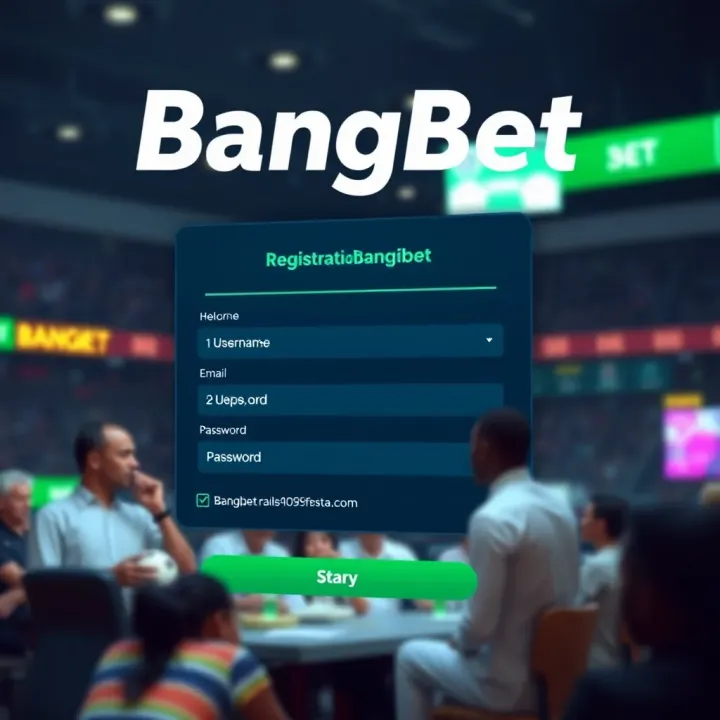
🎯 Learn how to register with BangBet in Nigeria, step-by-step. Get tips on verification, platform options, account setup, and start betting safely today! ✅

🎯 Learn how to play SportyBet in Nigeria from account setup to placing bets. Get tips to manage risks, spot betting types, and enjoy promos with confidence! 💰⚽
Based on 14 reviews