
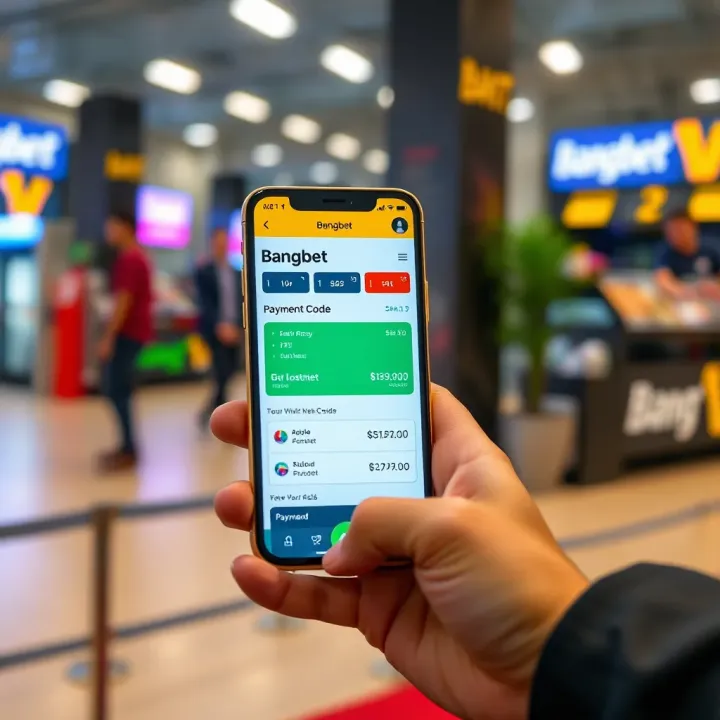
Understanding Bangbet Old Mobile Booking Code
Discover how the Bangbet old mobile booking code works for sports bets ⚽, learn its pros and cons, plus how to switch up to modern apps for quick, secure play 📲.
Edited By
David Clarkson
Mobile Bangbet shops have been a staple in Nigeria's local betting scene for years. These old mobile Bangbet shops are often small, roadside outlets where customers place bets on football matches and other sporting events using mobile devices connected to betting platforms. Unlike the flashy online portals many now prefer, these shops rely on face-to-face interaction and simpler technology, often serving customers in areas without reliable internet access.
Typically found in busy market areas, bus stops, and neighbourhood corners, these shops are run by operators who understand betting odds, scoring systems, and local football culture deeply. The setup usually includes a basic smartphone or tablet, a POS (point of sale) device, and paper slips for record-keeping. Many operators work with popular platforms like Bangbet due to its broad reach and user-friendly interface.
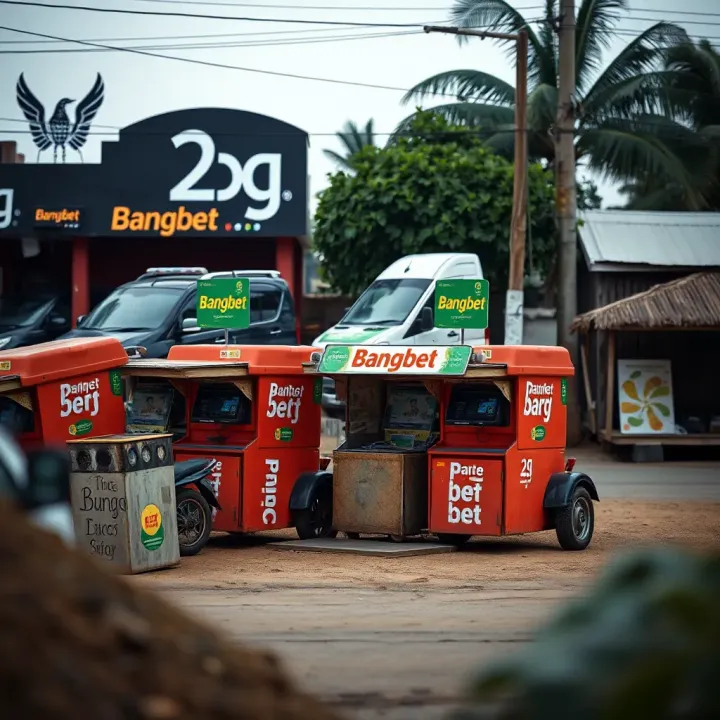
These shops provide a vital service in regions with limited internet or digital literacy, making sports betting accessible to a wider segment of Nigerians.
Despite their resilience, old mobile Bangbet shops face challenges as digital betting apps gain traction. Many bettors now prefer placing bets directly from their smartphones, especially in urban areas with steady internet coverage. However, in rural or underserved locations, these traditional shops remain essential, bridging the gap between modern technology and users who are either not digitally savvy or unable to afford smartphones.
The role of these shops extends beyond betting. They often function as social hubs where locals discuss football, share tips, and bond over weekend matches. This community aspect makes them quite different from purely online platforms, which lack personal contact.
Understanding the operations of these shops also sheds light on regulatory complexities. The Central Bank of Nigeria (CBN) and the National Lottery Regulatory Commission oversee betting activities, imposing rules that sometimes complicate transactions for these smaller outfits. For example, ensuring proper age verification or dealing with cash transactions amidst rising calls for financial transparency can be hurdles for operators.
In essence, old mobile Bangbet shops serve as an intersection of Nigeria’s love for football, challenges in digital inclusion, and the evolving betting industry. Grasping their role helps explain why they continue to exist despite the fast pace of technology adoption.
Understanding the background of mobile Bangbet shops sheds light on their place in Nigeria's betting industry and local communities. These shops blend traditional gambling culture with modern mobile technology, creating both opportunities and challenges for operators and customers. Their evolution mirrors broader shifts in Nigerian retail and fintech sectors, making grasping this background crucial to appreciate their current role.
Sports betting in Nigeria has deep roots, initially centred around informal wagers on local football matches and other popular sports. The culture grew gradually in urban and semi-urban areas where football fans met to place bets with local agents. These early setups were basic, often involving handwritten slips and direct cash transactions, reflecting limited tech adoption but strong communal engagement.
This early betting culture became a social activity, where customers gathered not just to bet but to discuss games and share tips. The simplicity of the system allowed many Nigerians, especially youths, to participate despite economic constraints, planting the seed for wider acceptance of gambling as both pastime and income source.
The 2010s ushered in mobile phones as game changers for the betting scene. Mobile-based platforms emerged, allowing wagers to be placed remotely via USSD codes or apps. This leap expanded access beyond physical locations, appealing to Nigeria’s growing smartphone user base. Betting companies began offering more diversified options, including live in-play bets transmitted via mobile.
This shift also introduced convenience and speed, cutting down the time bettors spent queuing at shops. More significantly, mobile platforms connected rural customers to national and international sports markets, widening participation and revenues. Meanwhile, operators who incorporated mobile solutions saw their customer bases surge.
Rather than rendering old shops obsolete, mobile technology was adopted within these outlets, creating a hybrid model. Many Bangbet shops began using smartphones or tablets linked to betting servers, paired with POS terminals to process payments. Internet connectivity became essential, enabling real-time odds updates and instant bet confirmations.
This integration transformed the customer experience by reducing errors and wait times, while preserving the personal touch of in-person service. For example, a shop operator in Lagos might receive bets via a mobile interface but also advise customers directly, mixing technology with trusted relationship building. Such adaptations have kept these shops relevant in an increasingly digital betting environment.
Old mobile Bangbet shops play a vital role in job creation. They offer employment to shop attendants, terminal operators, and runners who collect bets from remote clients. For many youths in cities like Ibadan and Port Harcourt, working in a Bangbet shop provides a steady income, sometimes the sole livelihood.
Besides direct employment, these shops generate income through commissions on bets placed. For a typical shop, monthly earnings can range from ₦50,000 to over ₦500,000 depending on location and betting volume. This revenue sometimes supports the shop owners’ families and allows limited reinvestment into upgrading equipment or expanding services.
Barnbet shops often operate alongside or within other small businesses, like roadside mobile phone centres or digital access kiosks. Their presence drives foot traffic, benefiting surrounding vendors such as mama puts selling food or phone recharge cards.
In markets across Kano or Enugu, these betting shops create a micro-economy where various small enterprises thrive within a shared commercial ecosystem. For instance, a shop owner might hire local electricians to maintain their devices or buy airtime and data bundles from nearby sellers, sustaining multiple income streams.
Beyond economics, Bangbet shops function as social hubs. Customers often gather to watch matches, exchange tips, and discuss odds. In many cases, shops become informal meeting points fostering community bonds among bettors.
This socialisation helps reduce gambling isolation and encourages trust in shop operators, who may be known community members. Such features keep the shops embedded in local culture, blending leisure with informal economic exchanges. Yet, this also necessitates attentiveness to risks like addiction or peer pressure within tight-knit communities.
Old mobile Bangbet shops are more than betting points; they are economic lifelines and social spaces rooted in Nigerian daily life, adapting with technology while sustaining local traditions.
Traditional mobile Bangbet shops remain a backbone of Nigeria's grassroots betting scene. Their operations offer a personal touch and physical presence that many digital platforms lack. This section sheds light on how these shops function day-to-day, focusing on setup, equipment, and services, which directly affect bettor experience and shop viability across Nigeria.
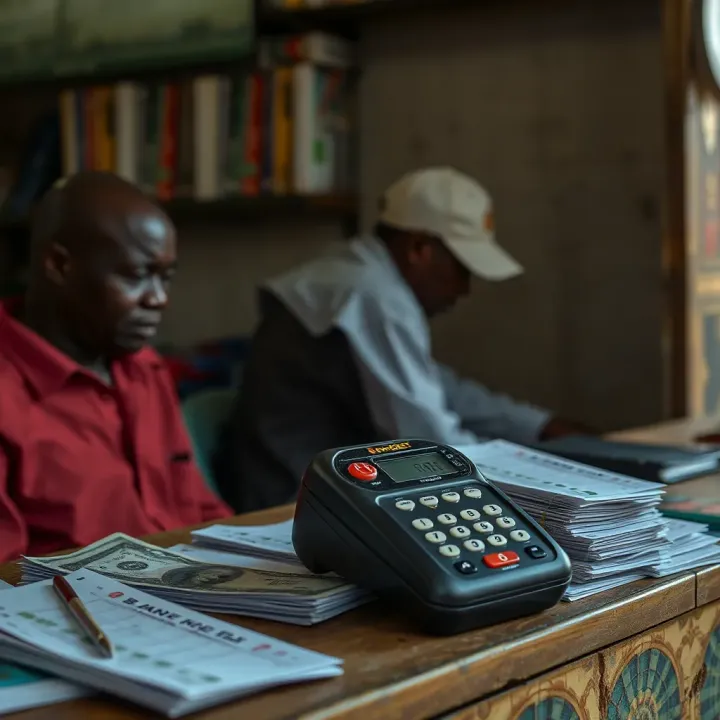
Most old mobile Bangbet shops operate with a simple yet effective tech setup. A smartphone or tablet loaded with betting apps connects the shop owner to the betting platform, enabling real-time bets and odds updating. Coupled with Point of Sale (POS) terminals, these devices allow quick acceptance of payments and payouts via bank cards or mobile money wallets. For instance, a shop in Surulere could accept bets and payments instantly using a POS terminal linked through a local bank like GTBank or Access Bank, streamlining money flow and reducing the need for cash.
This setup is vital because it lowers barriers for customers, many of whom may prefer physical interaction but still want convenient methods to fund their bets. The reliance on mobile devices, often tokunbo and affordable models, keeps running costs low for the shop owner.
Reliable internet access is a lifeline for these shops, usually provided through mobile broadband or Wi-Fi connections. Since mobile Bangbet platforms depend on consistent data flow to update odds and accept bets, any drop in connectivity can disrupt business. Some shops also rely on USSD (Unstructured Supplementary Service Data) codes, which do not require internet, to place bets or process withdrawals. USSD remains popular, especially in areas with patchy internet where customers dial codes like *123# to confirm transactions.
This dual approach caters to different customer preferences and technical realities in Nigeria. A shop in an area with frequent power outages might lean more on USSD to ensure continuity, while ones in urban centres rely primarily on data-driven apps.
Old mobile Bangbet shops usually have a simple, open layout. A counter or desk holds the devices, while chairs or small stools accommodate customers. The small physical space fosters a social atmosphere, where punters exchange tips or discuss games, boosting regular patronage and trust.
Unlike impersonal online betting, these shops thrive on personal relationships. The shopkeeper often acts as both cashier and advisor, explaining odds, helping novices, and managing payouts. This human element strengthens community ties and encourages repeated business, especially during major football matches or in festive ember months when betting activity spikes.
Sports betting forms the core of these shops' offerings. Football (soccer), both local leagues like the NPFL and international leagues like the English Premier League, dominates customer interest. Shops provide various betting types, from simple match-winner bets to more complex accumulators or handicaps.
For example, a shop in Ibadan might see heavier bets on local derbies between Shooting Stars and Rangers, while shops in Lagos focus more on EPL matches due to the cosmopolitan interest.
Besides sports, many shops offer lottery games and scratch cards, diversifying income and appealing to customers who prefer lower-risk or chance-based betting. Lotteries like the National Lottery or local variants can bring in steady small stakes betting, drawing in casual punters who might not be keen on sports.
Some shops also include virtual games or dice rolls hosted on betting platforms, providing alternatives during football off-seasons. This variety helps shops maintain steady revenue and keeps customers engaged.
Handling payments efficiently is crucial. Shops accept deposits through POS terminals, mobile wallets such as OPay or PalmPay, or direct cash payments. Withdrawals occur after bets win, either through POS cashback options, mobile money transfers, or cash payouts on site.
Shopkeepers carefully verify identity and transaction details to minimise fraud and errors. The blend of digital and cash transactions helps cater to Nigeria’s mostly unbanked population while integrating with fintech trends.
The blend of mobile technology with personalised service in these shops highlights why traditional Bangbet shops remain relevant, despite the rise of purely digital betting platforms.
In summary, the operations of traditional mobile Bangbet shops hinge on practical tech usage, accessible payment methods, varied betting options, and strong customer relations. These elements together sustain their role in Nigeria’s betting landscape.
Old mobile Bangbet shops in Nigeria face several hurdles that affect their survival and growth. Understanding these challenges helps stakeholders figure out practical steps to keep these shops relevant amid changes in technology and regulation.
Mobile apps and online betting platforms like Bet9ja, NairaBET, and SportyBet have reshaped Nigeria’s betting scene. These services offer convenience for bettors to place wagers from anywhere using smartphones, cutting out the need to visit physical shops. This trend is especially strong among younger, tech-savvy Nigerians who prefer fast, app-based transactions with real-time updates.
Many bettors now favour digital platforms for their user-friendly interfaces, bonuses, and instant payouts. The anonymity offered by online betting appeals to customers concerned about privacy in local communities. Additionally, apps often provide a wider variety of betting options compared to traditional shops, influencing many to switch allegiance.
As more customers migrate online, foot traffic to old mobile Bangbet shops has dropped noticeably. Reduced patronage cuts revenue streams, threatening the livelihoods of shop operators and their employees. For example, shops along major Lagos suburbs report up to 40% decline in daily bets placed over the last two years as app use surged. This decline limits shops’ ability to invest in better equipment or expand services.
Mobile Bangbet shops must navigate complex regulations under the National Lottery Regulatory Commission and other regulatory bodies. Shops often struggle with renewable licences and adhering to prescribed standards, which demand regular audits and record-keeping. Non-compliance risks shop closures or fines, adding pressure on operators already facing tight margins.
Traditional shops are vulnerable to fraudulent activities, including fake bets and money laundering, partly due to inadequate verification processes. Unlike app platforms equipped with strong KYC (Know Your Customer) protocols, old shops sometimes rely on manual checks, allowing some unscrupulous actors to exploit the system. This exposes operators to legal problems and hurts industry reputation.
Enforcement inconsistency complicates operations. Authorities intermittently raid shops citing licensing issues, sometimes applying regulations unevenly across locations. This unpredictability creates an environment of uncertainty for shop owners. Securing valid licences and maintaining up-to-date documentation can be costly and bureaucratic, deterring small operators from formalising their businesses.
The decline of traditional Bangbet shops amid rising digital alternatives and regulatory hurdles could reshape Nigeria’s local betting economy unless practical adaptation and clear policies emerge.
Understanding these challenges highlights why old mobile Bangbet shops must innovate and align closely with regulatory demands to maintain their role in Nigeria’s betting landscape.
Old mobile Bangbet shops play a significant role in the socio-economic fabric of many Nigerian communities. Beyond just offering betting services, these shops have become hubs where local entrepreneurs earn a living, social interactions unfold, and community bonds strengthen. Their impact touches economic, social, and cultural layers that define everyday life in both urban and rural areas.
Old mobile Bangbet shops provide steady employment opportunities in areas where formal jobs are scarce. Shop owners often employ assistants or agents who help run bets, manage cash flows, and engage customers. For example, in Lagos neighbourhoods like Mushin or Agege, these jobs sustain youths who might otherwise struggle to find income. The earnings from operating or working in these shops can cover daily needs or fund children’s education.
These shops form a vital part of Nigeria's informal sector, which accounts for a large share of economic activity but is often overlooked by regulators. Bangbet shops inject liquidity into local economies by circulating ₦10,000 to ₦50,000 daily in small stakes across bets. This steady cash movement supports ancillary spending in nearby businesses, even though transactions are mostly off formal financial books. Such activity is particularly evident during major football events, where local betting escalates significantly.
Located close to food vendors, barbing salons, or mobile phone repair centres, Bangbet shops boost business for these neighbours. Customers often combine placing bets with grabbing street snacks or charging their phones, creating a microeconomic ecosystem. For instance, a mama put selling suya next to a Bangbet outlet in Ibadan may see increased sales during matchdays, thanks to the steady foot traffic. This informal clustering strengthens local entrepreneurship bonds.
Betting shops serve as gathering points where people discuss games, analyse strategies, and share excitement or disappointment from match results. This camaraderie fosters social ties especially in residential estates or market areas. For example, groups of friends in Aba often congregate around Bangbet shops, turning betting into a social activity rather than a solitary affair. This shared interest helps reinforce social cohesion.
While offering economic opportunities, these shops also present risks related to problem gambling. Some customers may develop unhealthy betting habits that drain family resources or cause emotional distress. Locally, there have been stories of individuals in cities like Kano who lost significant sums and faced community stigma. Awareness of addiction is rising, but efforts to educate or provide support remain limited, particularly in informal setups.
In Lagos and Abuja, younger urban dwellers often see betting as a normal leisure activity or potential side hustle, reflecting more accepting attitudes. However, in rural communities, traditional values sometimes clash with betting culture, viewing it as risky or morally questionable. Nevertheless, as mobile technology expands, acceptance in these areas is gradually growing, blending with local customs and daily life.
Old mobile Bangbet shops remain more than just betting centres; they are economic engines and social spaces that influence Nigerian communities in diverse and complex ways.
The future of old mobile Bangbet shops is a burning issue as Nigeria’s betting landscape evolves fast. These traditional outlets face both threat and opportunity from digital innovations reshaping how Nigerians place bets. Understanding their potential adaptation and how policy changes could affect them is key for stakeholders, especially as betting becomes more mainstream and regulated.
Integrating online platforms with physical shops is crucial for old mobile Bangbet shops to stay relevant. For instance, some shops now link their mobile devices to popular online betting providers like Bet9ja or NairaBet, allowing customers to access online odds and placing bets digitally while still visiting the physical shops. This hybrid approach helps keep foot traffic alive and gives local punters convenience combined with familiar personal interaction.
Improving customer experience through technology means updating the shop environment with smart devices, stable internet connections, and even simple apps to speed up betting and payout processes. Shops adopting USSD technology or quick-payment options like OPay or Paystack provide faster service. This enhances trust and encourages repeat business, especially in busy urban areas like Lagos or Abuja where time is precious.
Potential partnerships with fintech firms can unlock new revenue streams and boost operational efficiency. Traditional Bangbet operators can collaborate with fintech platforms to handle payments, offer digital wallets, or use data analytics to tailor betting options. Such partnerships might also bring better security measures against fraud, benefiting both shop owners and customers, while bridging informal and formal financial sectors.
Regulatory reforms are vital to ensure old mobile Bangbet shops can thrive alongside digital-only platforms. The National Lottery Regulatory Commission and other regulators should consider simplified licensing schemes and clear guidelines specific to these shops. This would prevent heavy-handed crackdowns that risk closing many shops providing livelihoods across cities and rural areas.
Consumer behaviour is changing, with younger bettors preferring app-based betting, yet many Nigerians still value personal service at physical shops. Market trends show a blend where shop owners who adapt digital tools thrive, while those sticking strictly to old methods lose customers. Understanding these shifts can help operators plan better business models tailored for their local environment.
The prospects for sustainable growth depend on how well traditional Bangbet shops integrate innovations and comply with new regulations. If the sector can modernise intelligently, it could sustain jobs, stimulate local economies and co-exist with online platforms. Smart policy, combined with industry collaboration, promises a balanced future where old mobile Bangbet shops contribute meaningfully to Nigeria’s betting economy.
Traditional Bangbet shops still matter. With the right support and technology, they can coexist and flourish in Nigeria’s rapidly changing betting world.
Discover how the Bangbet old mobile booking code works for sports bets ⚽, learn its pros and cons, plus how to switch up to modern apps for quick, secure play 📲.
Based on 13 reviews