

How to Register with BangBet in Nigeria
🎯 Learn how to register with BangBet in Nigeria, step-by-step. Get tips on verification, platform options, account setup, and start betting safely today! ✅
Edited By
Aisha Bello
Mite bangbet poses a serious threat to agriculture and livestock across Nigeria. This pest, a type of tiny mite, infests crops and animals, causing considerable damage that often translates to heavy financial losses for farmers and those in related sectors. Understanding the nature of mite bangbet is essential for anyone involved in farming, veterinary care, or policy-making focused on agricultural sustainability.
Mite bangbet thrives in warm, humid conditions commonly found in southern Nigeria but can spread to other regions during the rainy season. These mites feed on plant tissues or animal skin, leading to reduced productivity and increased susceptibility to diseases. For example, in cassava farms around Ondo State, mite infestations have led to stunted plant growth and lower tuber yields, directly affecting farmers' incomes.
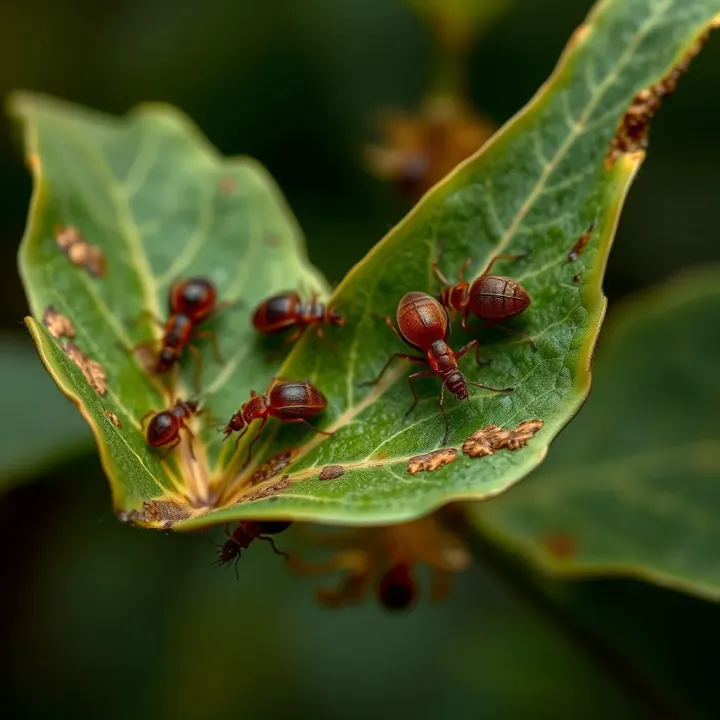
The impact of mite bangbet is multi-layered. Beyond the immediate physical harm to crops and livestock, there’s an economic fallout. Losses from these infestations can run into millions of naira annually, especially when farmers resort to buying costly pesticides or veterinary drugs. Livestock affected by mite bangbet may suffer skin irritations or respiratory issues, which compromise meat and milk quality, reducing their market value.
Several causes contribute to the spread of mite bangbet. Poor farm hygiene, over-reliance on monoculture, and irregular use of pesticides create favourable environments for these mites to reproduce rapidly. Additionally, the practice of buying infected animal stock from local markets without proper quarantine adds to the problem.
Preventing mite bangbet starts with recognising early symptoms and maintaining clean, healthy environments for plants and animals.
Common signs in crops include discolouration, leaf curling, and dry patches, while animals may show itching, hair loss, or scaly skin. Farmers should regularly inspect their farms and livestock, especially during the hot, humid months when mite activity peaks.
Effective control requires integrated approaches:
Crop rotation and intercropping to disrupt mite breeding cycles.
Use of neem-based pesticides, which are less harmful to the environment.
Proper sanitation of equipment and housing for animals.
Early treatment of livestock with acaricides approved by Nigerian veterinary authorities.
Understanding mite bangbet’s causes and effects equips stakeholders to act promptly. For the Nigerian economy, cutting down these infestations could mean better yields, healthier livestock, and less strain on farmers' finances.
Understanding what mite bangbet is and its root causes provides the foundation for managing this persistent problem effectively. In Nigeria, where both agriculture and livestock form the backbone of the economy, failing to identify and address mite infestations promptly can lead to significant losses. From poor crop yields to livestock health decline, knowing exactly what to look for helps farmers, policy makers, and veterinarians take targeted action.
Mite bangbet refers to the infestation caused by tiny parasitic mites that attack plants and animals, leading to damage in farm produce and health issues in livestock. These pests are microscopic yet can cause visible harm such as skin irritations, lesions, and stunted growth. For instance, in cocoa farms around Ondo State, mite infestations have been widely recorded to reduce pod quality. Similarly, cattle farms near Kaduna have seen outbreaks leading to poor weight gain and milk production.
Mites thrive in warm, humid climates, which are common in many parts of Nigeria. Excessive moisture encourages their breeding and helps mites survive longer on plants and animals. For example, during the rainy season, farms in the Niger Delta often become hotspots for high mite activity due to increased humidity and stagnant water. Poorly ventilated poultry houses also provide suitable environments, allowing mites to multiply rapidly.
Understanding these conditions helps farmers anticipate periods when infestation risks spike and implement timely interventions like improved ventilation or drainage.
Neglected cleanliness is a major driver of mite outbreaks. When animal bedding is not replaced regularly or waste piles accumulate near crop fields, it creates breeding grounds for mites. In states like Ogun and Oyo, smallholder farmers often struggle with farm sanitation due to limited resources, which allows mites to spread unnoticed.
Maintaining hygiene reduces organic matter where mites hide, thereby breaking their life cycle. Simple measures such as daily cleaning of animal housing and prompt removal of plant debris can drastically lower mite populations.
Livestock movement without proper health checks contributes to the spread of mite bangbet across regions. Traders transporting animals from one market to another, especially during festive seasons like Sallah and Christmas, risk introducing infested animals into clean herds. This practice has been identified as a significant factor in the rise of mite-related diseases in northern Nigeria.
Animal quarantine and inspection before trade are practical steps to limit such spread. Farmers and traders need to collaborate with veterinary services to ensure animals are treated before movement, preventing outbreaks that can jeopardise larger farming communities.

Defining mite bangbet and its causes gives you the upper hand in preventing damage — it's the difference between closing a farm to pests and keeping your investment alive.
Identifying the signs and effects of mite bangbet early plays a key role in preventing serious damage to both livestock and crops. Farmers, agricultural workers, and commerce professionals benefit greatly when they can spot symptoms before problems spiral. Being alert to visible changes and productivity issues allows for timely interventions, reducing losses and improving management.
Visible skin irritations and lesions are among the first signs that point to mite infestation. In animals such as goats, sheep, or poultry, these might appear as red, flaky patches, hair loss, or crusty sores. For instance, goats suffering from mite bangbet often scratch more and display swollen, irritated skin around the ears or neck. In crops, mite infestations often cause discoloured spots on leaves or web-like structures, which weaken the plant.
These visible symptoms not only affect the health of the animals or plants but also serve as warning signals. Ignoring them can lead to rapid spread within farms, making treatment more expensive and less effective. For farmers, recognising skin irritations or leaf damage early helps maintain farm hygiene and ensures healthier produce.
Reduced productivity and growth retardation often follow infestations. Livestock infected with mites tend to lose weight and produce lower yields in milk or eggs. Similarly, crops compromised by mites show stunted growth, poor fruiting, or wilting. For example, a farmer might notice that chickens with mite problems lay fewer eggs over time, impacting income immediately.
The practical consequence is a direct reduction in farm output, which affects earnings and food supply. Understanding these productivity drops as related to mite bangbet helps farmers adjust management quickly, like isolating affected stock or applying treatments to prevent long-term damage.
Losses in animal production can hit farmers hard, especially those relying entirely on livestock for livelihood. Shrinking herds due to disease or decreased fertility raise costs as more money goes into veterinary care, feed supplementation, and replacing dead animals. In communal farming areas, the ripple effect can lower the overall regional output, affecting markets and local economies.
For example, a smallholder goat farmer around Kaduna might spend several thousands of naira treating mite infestations that reduce the herd’s value by half if untreated. This affects household income and limits resources for other farm activities.
Potential health risks to handlers and communities arise because some mites can transmit secondary infections or cause allergic reactions in humans. Workers who regularly handle infested animals might experience skin rashes or respiratory irritation, affecting their ability to work effectively. In some cases, mite-borne diseases spread beyond farms, threatening surrounding communities.
Public health concerns mean that farmers and handlers need protective gear and good hygiene practices to limit exposure. Government health agencies often advise training on these risks, especially in rural areas where health infrastructure is limited.
Early recognition of mite bangbet symptoms and understanding their economic and health impact can mean the difference between manageable infection and devastating loss. Staying vigilant and informed guides better farm decisions and community health protection.
Effective prevention and control of mite bangbet is a cornerstone for protecting Nigerian farms and livestock. The damage caused by these mites can severely impact productivity, yet practical steps can significantly reduce their presence. Prevention is typically more cost-effective than treatment, making farm hygiene and timely intervention key for farmers and agricultural stakeholders.
Regular cleaning and waste disposal are fundamental to controlling mite infestations. Accumulated waste on farms creates breeding grounds for mites. For example, decaying plant matter around crops or manure piles near animal enclosures attract mites and provide them shelter. Regularly clearing these wastes interrupts the mite’s life cycle, preventing population build-up. Farmers should establish routine cleaning schedules, ensuring that debris is removed promptly and disposed of responsibly to limit infestation sources.
Controlling moisture and overcrowding is another practical aspect. Mites thrive in humid environments, so reducing moisture around farms is crucial. This involves proper drainage systems and avoiding waterlogging, which also discourages fungal and bacterial growth that indirectly supports mite populations. Overcrowding, especially among livestock, worsens stress and facilitates rapid mite transmission. Maintaining appropriate stocking densities and ventilated housing spaces reduces contact between animals, limiting mite spread and improving overall farm health.
Approved acaricides and insecticides offer an effective means of controlling mite bangbet, especially in persistent infestations. Chemicals like amitraz or permethrin, when used according to recommended guidelines, target mites directly and reduce their numbers significantly. Nigerian agricultural extension services often provide guidance on safe application, ensuring farmers avoid resistance buildup and environmental harm. However, indiscriminate or excessive use can backfire, so adherence to proper dosages and treatment intervals matters.
Traditional remedies with proven effects remain relevant, especially where access to commercial acaricides is limited. Remedies such as neem leaf extracts, garlic mixtures, and certain local plant oils have shown efficacy in repelling or killing mites. For instance, neem-based sprays suppress mite activity without harmful residues. These natural treatments often appeal to smallholder farmers who rely on affordable, readily available solutions. Combining traditional methods with modern control strategies ensures a balanced approach, reducing dependency on chemicals while maintaining effectiveness.
Keeping the farm environment clean and managing conditions that promote mite survival are practical steps every Nigerian farmer can take. Coupled with targeted treatments—both chemical and natural—these measures protect crops and animals, safeguarding livelihoods and investments.
Practical prevention and control of mite bangbet call for consistent efforts, combining environmental management and appropriate treatment use. This balanced approach not only curbs mite populations but also builds resilience in Nigerian agricultural systems against future outbreaks.
The management of mite bangbet relies heavily on the combined efforts of veterinary services and government regulatory frameworks. These two pillars provide structure, expertise, and legal backing necessary to tackle mite infestations in farms and livestock effectively. Without regular veterinary oversight and sound government policies, control measures risk being undercut by poor implementation or non-compliance.
Regular inspections and treatment protocols are vital for early detection and prompt intervention against mite bangbet. Veterinary officers conduct scheduled visits to farms to check livestock and crops for signs of mite infestation, allowing them to recommend timely treatment before the problem escalates. For instance, routine skin scrapings and mite identification help determine the appropriate acaricide to use, reducing the chances of resistance developing. This hands-on support ensures the treatments are both safe and effective, protecting farmers’ investments.
Moreover, veterinary protocols standardise treatment procedures across regions. This consistency helps avoid misuse of chemicals and encourages responsible practices, like observing withdrawal periods for animal products.
Education and awareness for farmers complement inspection efforts by equipping farm owners with the knowledge to prevent mite bangbet. Workshops and training sessions provided by veterinary agencies explain how mites spread and what environmental factors encourage their growth. Farmers learn practical tips, such as proper waste disposal, maintaining dry animal housing, and timely application of treatments. In rural Nigeria, where many farmers rely on traditional practices, this education bridges the knowledge gap and promotes adoption of best practices.
Additionally, awareness campaigns through local radio and extension officers make sure this vital information reaches remote communities, encouraging early reporting of outbreaks.
Standards for farm management form the backbone of government regulation in controlling mite bangbet. Agencies set guidelines on acceptable hygiene levels, animal density, feed storage, and use of acaricides. These regulations compel farms to maintain environments less favourable to mite populations. For instance, farms must ensure regular disposal of manure and proper ventilation to reduce moisture—a known trigger for mite proliferation.
Enforcing these standards increases overall farm productivity by reducing disease incidence. Non-compliant farms risk penalties or closure, motivating adherence. The regulatory oversight also protects consumers by ensuring animals and crops entering the market do not carry mites or pesticide residues.
Import and export controls to limit spread target mites moving across borders through livestock and agricultural products. Nigeria’s government uses quarantine checks and certification systems to inspect incoming and outgoing shipments, preventing contaminated goods from spreading mite infestation to new regions. This control is particularly important for livestock imported from neighbouring countries with different disease profiles.
Customs and agricultural agencies collaborate to enforce these measures, balancing trade facilitation with biosecurity. By limiting the mite bangbet's spread, these policies protect Nigeria’s agricultural economy and reduce the burden on farmers to manage outbreaks.
Active veterinary involvement backed by clear government regulation forms the frontline defence against mite bangbet, safeguarding both farmers’ livelihoods and national food security.
Tackling mite bangbet remains a uphill battle for many Nigerian farmers and livestock owners. Understanding the challenges helps to pinpoint why control efforts sometimes fall short and what must change for better results. Meanwhile, looking ahead at innovation and research can offer fresh hope for managing mite infestations more effectively.
Limited access to effective treatments often hampers farmers’ ability to manage mite bangbet properly. Many acaricides and insecticides approved for mite control can be costly or difficult to find outside urban centres. For instance, small-scale farmers in remote states might struggle to get genuine products, sometimes resorting to unproven alternatives that worsen the problem. Also, the inconsistent supply chain for these treatments means farmers may run out mid-application, reducing efficacy.
Beyond availability, poor storage facilities affect acaricide potency. In rural Nigeria, heavy rainfall or irregular power supply may damage chemicals, leading to wasted funds for farmers and more resistant mite populations. This cycle makes it harder to keep mite infestations under control, especially during peak farming seasons.
Knowledge gaps among rural farmers present another significant challenge. Although many understand the basic concept of mites damaging crops or livestock, detailed awareness of how mites spread or how to apply control measures safely is often lacking. For example, some farmers may not recognise early signs of mite infestation or may misuse treatment chemicals, affecting yields and animal health.
Training and extension services are limited in certain regions, leaving farmers without up-to-date information on control methods, leading to inconsistent or ineffective practices. This gap directly results in recurring infestations and financial losses, especially for subsistence farmers who cannot afford repeated losses.
The development of resistant crop and livestock varieties offers promising long-term relief. Agricultural research institutes in Nigeria, such as the Institute for Agricultural Research (IAR), are testing mite-resistant strains of cassava and maize, which could reduce reliance on chemicals. Similarly, breeding livestock with natural resistance to mites can lessen outbreaks in herds, improving productivity and reducing veterinary costs.
Adopting resistant varieties makes mite management more sustainable and cost-effective, especially for smallholder farmers. Resistant breeds require fewer chemical inputs, lowering exposure risks and environmental contamination.
Community-based strategies and technological adoption are gaining traction to improve control efforts. Local cooperatives and farmer groups have started sharing knowledge and bulk-buying approved treatments, reducing costs and improving access. For example, in some states, farmer associations collaborate with extension workers to organise regular monitoring and coordinated spraying activities, increasing coverage and impact.
Technology platforms are also emerging, such as smartphone apps that help farmers identify mite symptoms and recommend management steps. Though smartphone penetration in rural Nigeria is still growing, these tools hold great potential to bridge knowledge gaps and improve timely responses to infestations.
Mite bangbet control hinges on combining practical solutions with innovation. Overcoming access and knowledge barriers, while embracing research advances, can help farmers protect their livelihoods and ensure food security in the longer run.
🎯 Learn how to register with BangBet in Nigeria, step-by-step. Get tips on verification, platform options, account setup, and start betting safely today! ✅

Ready to start betting on football with Bangbet? Learn how to register, fund your account, understand odds, and avoid common headaches safely ⚽💰📱

Get your Bangbet iOS app on iPhone or iPad in Nigeria 📲. Follow easy steps, enjoy safe sports betting, and win big with trusted features today!

🎯 Learn how to find and use legit Bangbet promo codes in Nigeria! Save ₦, boost your bets, avoid mistakes, and get the best offers for reliable winnings.💰
Based on 13 reviews